

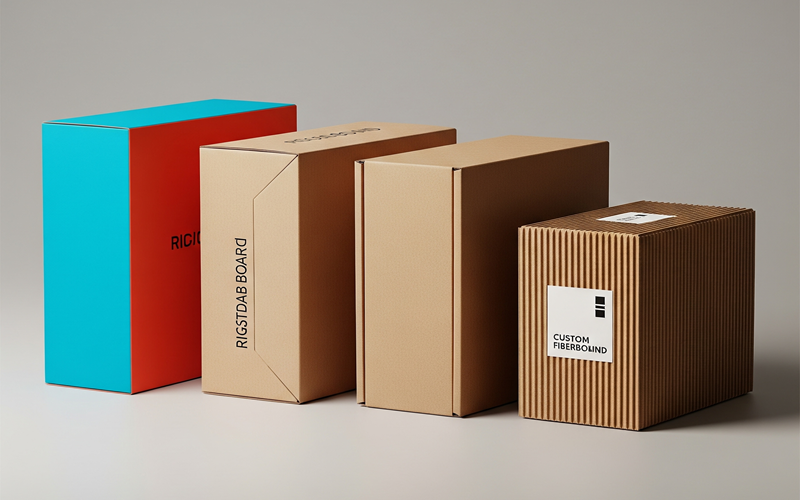
You face a tough choice when selecting packaging materials for your business. The wrong material wastes money, damages your brand image, and frustrates customers. The right material protects your products, strengthens your brand, and keeps costs manageable.
I’ve spent years helping businesses navigate these decisions. This guide walks you through four popular packaging materials – rigid board, kraft paperboard, standard cardboard, and corrugated fiberboard. You’ll discover which material works best for your specific situation and budget.
Rigid Board
Business owners choose rigid board when they want their packaging to scream quality. This material transforms ordinary products into premium experiences that customers remember.
What It Is
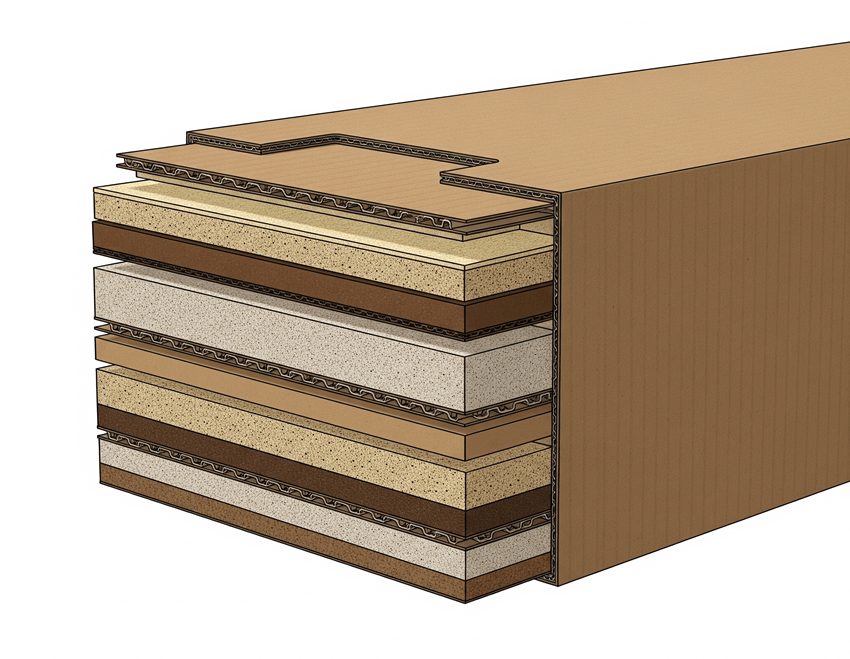
Manufacturers create rigid board by compressing multiple layers of paper fibers under intense pressure. They add binding agents that hold everything together. The result? A thick, solid material that feels substantial in your hands. You won’t find air pockets here – every millimeter packs dense, strong fibers.
How It’s Made
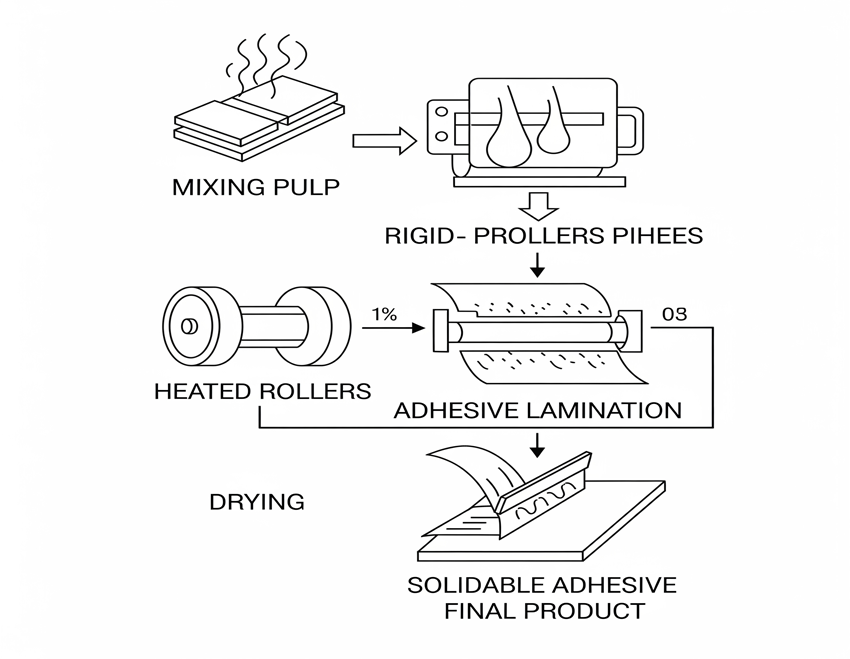
The process starts simple but gets sophisticated fast. Workers mix recycled paper fibers with virgin pulp, then add binding agents and water. Giant heated rollers squeeze this mixture under tremendous pressure. The heat removes moisture while the pressure compacts fibers into dense sheets. Finally, machines laminate multiple layers together using industrial-grade adhesives.
Key Strengths
Rigid board delivers impressive benefits that other materials struggle to match:
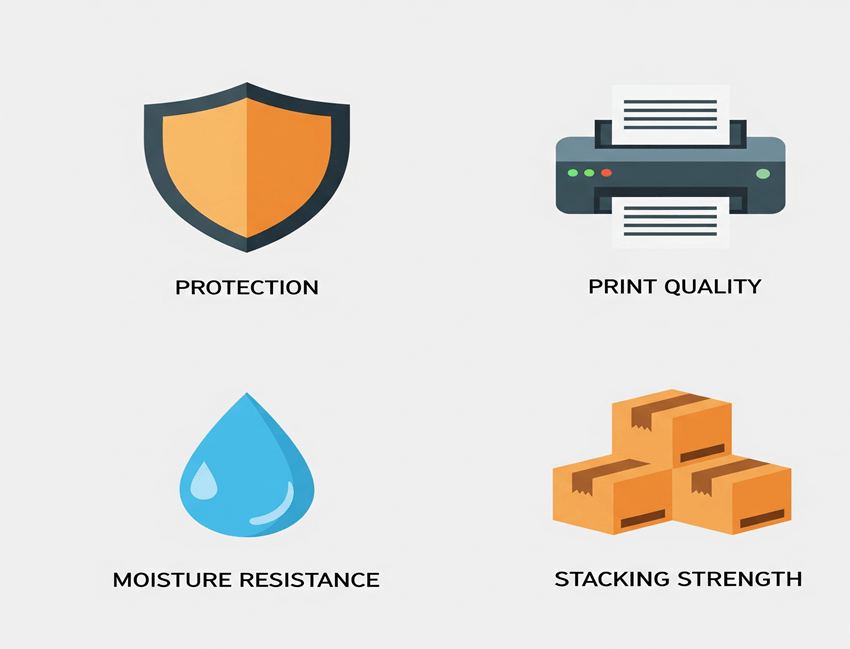
- Your products stay protected under heavy loads
- The smooth surface takes high-quality printing beautifully
- Customers immediately feel the premium quality
- Moisture doesn’t damage it as easily as cheaper alternatives
- Boxes stack perfectly without crushing or bending
Typical Uses
Smart businesses use rigid board when first impressions matter most:
- Electronics companies package smartphones and tablets in rigid board boxes
- Cosmetics brands create luxury experiences with rigid board packaging
- Jewelry stores protect valuable items while showcasing their quality
- Publishers use it for hardcover books and art portfolios
- Corporate gift boxes make lasting impressions on clients
Industries That Commonly Use Rigid Board
- Electronics makers wrap their latest gadgets in rigid board that matches the product’s premium feel
- Cosmetics companies know their customers judge product quality by packaging quality
- Fashion brands use rigid board for shoe boxes and handbag packaging that customers keep
- Publishers create books and portfolios that feel as impressive as they look
- Food companies package expensive chocolates and wines in rigid board that justifies the price
| Property | Detail |
|---|---|
| Thickness options | 1.5mm – 6mm |
| Weight capacity | 15-50 lbs |
| Recyclability | Moderate (special processing required) |
| Custom print quality | Excellent (photo-quality possible) |
| GSM | 400-1200 |
Pro tip: Rigid board costs more upfront but pays for itself through higher perceived value. Your customers will pay premium prices for products that feel premium.
Corrugated Fiberboard
Shipping companies move billions of packages every year. Most of them travel safely in corrugated fiberboard boxes. This material earned its reputation by protecting everything from delicate electronics to heavy machinery.
What It Is
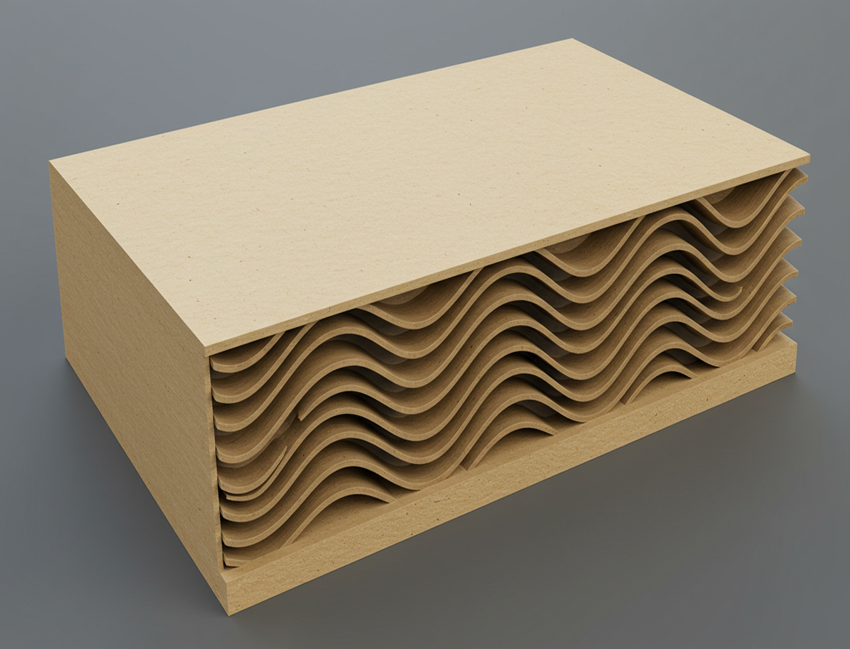
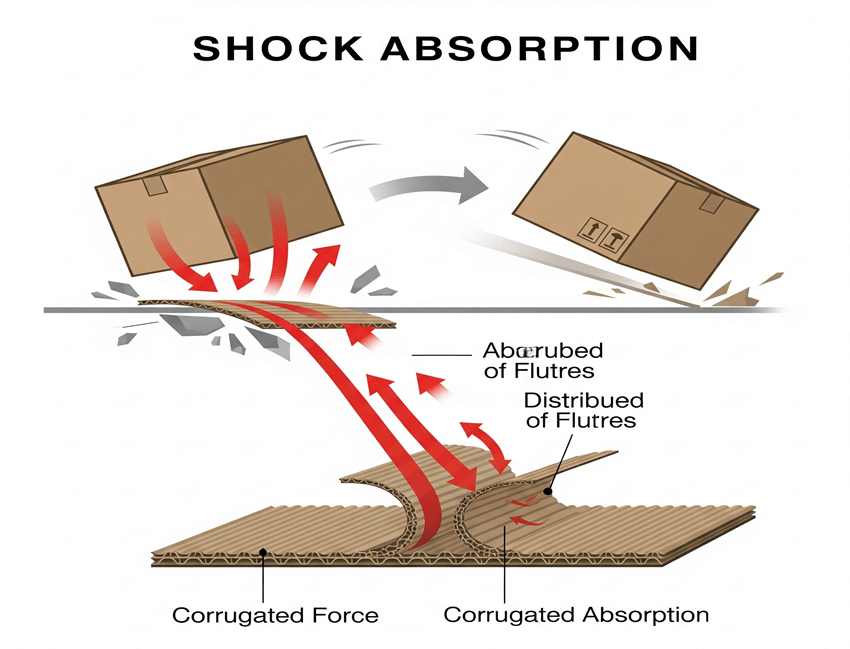
Engineers designed corrugated fiberboard like a sandwich. The middle layer has wave-shaped flutes that create air pockets. Flat sheets on both sides complete the structure. These air pockets work like tiny shock absorbers that protect your products during shipping.
How It’s Made
The manufacturing process looks like organized chaos. Machines heat recycled paper and shape it into those characteristic waves. Workers apply adhesive to the wave tips, then press flat sheets onto both sides. Heat and pressure bond everything together. The finished product weighs surprisingly little considering how much it can protect.
Key Strengths
Corrugated fiberboard solves multiple packaging challenges at once:
- It protects heavy items without adding much shipping weight
- The fluted design absorbs impacts that would damage other materials
- You get maximum protection for minimum cost
- Recycling centers accept it without special processing
- Manufacturers make it in dozens of different configurations
Typical Uses
Businesses rely on corrugated fiberboard for their most demanding applications:
- Online stores ship millions of orders in corrugated boxes every day
- Pizza restaurants depend on corrugated boxes that keep food hot and fresh
- Retailers create eye-catching displays that cost less than permanent fixtures
- Moving companies trust corrugated boxes to protect customers’ belongings
- Manufacturers use corrugated dividers to organize products during shipping
Industries That Commonly Use Corrugated Fiberboard
- E-commerce businesses ship everything from books to furniture in corrugated packaging
- Restaurants serve millions of meals in corrugated containers that keep food safe
- Retailers build temporary displays that grab attention without breaking budgets
- Manufacturing companies protect components during every step of the supply chain
- Farmers ship fresh produce in corrugated boxes designed for specific crops
| Property | Detail |
|---|---|
| Thickness options | 3mm – 15mm |
| Weight capacity | 10-80 lbs |
| Recyclability | Excellent (standard recycling) |
| Custom print quality | Good (some limitations on fine detail) |
| GSM | 125-440 |
Quick note: Single-wall corrugated handles most jobs under 20 pounds. Heavy products need double-wall or triple-wall versions that cost more but protect better.
Kraft Paperboard
Environmental consciousness drives many purchasing decisions today. Kraft paperboard appeals to customers who care about sustainability without sacrificing quality or appearance.
What It Is
The kraft process creates paperboard differently than other methods. Manufacturers remove lignin from wood fibers while keeping the cellulose that provides strength. This creates paperboard with longer, stronger fibers that resist tearing. The natural brown color comes from the wood itself.
How It’s Made
Workers start with wood chips that go into giant pressure cookers. They add sodium hydroxide and sodium sulfide, then heat everything to extreme temperatures. This chemical bath dissolves lignin while preserving strong cellulose fibers. The pulp gets cleaned, bleached if needed, then pressed into paperboard sheets.
Key Strengths
Kraft paperboard balances multiple important factors:
- The natural fibers resist tearing better than synthetic alternatives
- Customers associate the material with environmental responsibility
- It accepts most printing methods without special preparation
- The cost falls between premium rigid board and basic cardboard
- You can choose natural brown or bleached white versions
Typical Uses
Forward-thinking businesses choose kraft paperboard for diverse applications:
- Grocery stores use kraft bags that customers reuse and recycle
- Food companies package cereals and snacks in kraft boxes
- Stationery manufacturers create notebooks and folders that feel substantial
- Greeting card companies appreciate the natural texture
- Craft stores stock kraft materials for DIY projects
Industries That Commonly Use Kraft Paperboard
- Retailers know kraft shopping bags make customers feel good about their purchases
- Food processors use kraft packaging to reinforce their natural brand image
- Craft companies love how kraft paperboard works with paints, markers, and other materials
- Stationery makers create products that appeal to environmentally conscious consumers
- Organic brands use kraft packaging that matches their sustainability message
| Property | Detail |
|---|---|
| Thickness options | 0.3mm – 2mm |
| Weight capacity | 5-25 lbs |
| Recyclability | Excellent (standard recycling) |
| Custom print quality | Good (natural texture shows through) |
| GSM | 150-400 |
Pro tip: Kraft paperboard works especially well for brands that emphasize authenticity and environmental responsibility. Customers notice these details more than you might think.
Standard Cardboard
Budget constraints affect every business decision. Standard cardboard provides basic protection and presentation at rock-bottom prices. Sometimes that’s exactly what you need.
What It Is
Standard cardboard takes the simplest approach to paperboard manufacturing. Producers collect various grades of recycled paper, then layer them together with minimal processing. Quality varies depending on the recycled materials used, but the cost stays consistently low.
How It’s Made
The process prioritizes efficiency over perfection. Workers pulp different types of recycled paper together, add water and basic binding agents, then form sheets using standard equipment. Multiple thin layers get laminated while damp, then pressed and dried. The result works well enough for basic applications.
Key Strengths
Standard cardboard succeeds where cost control matters most:
- You won’t find cheaper packaging material anywhere
- The lightweight construction minimizes shipping costs
- Standard tools cut, fold, and score it easily
- Every packaging supplier keeps it in stock
- Standard recycling programs accept it without problems
Typical Uses
Practical businesses choose standard cardboard for everyday needs:
- Cereal manufacturers package millions of boxes using standard cardboard
- Moving companies provide basic boxes that protect belongings adequately
- Schools use cardboard for countless craft and educational projects
- Offices store documents in cardboard filing systems
- Temporary displays use cardboard when permanence isn’t needed
Industries That Commonly Use Standard Cardboard
- Food processors package everyday products where fancy packaging would increase costs unnecessarily
- Office suppliers create basic storage and organization products
- Educational institutions need inexpensive materials for projects and activities
- Moving companies provide functional boxes that customers throw away after use
- Budget retailers package price-sensitive products where every penny counts
| Property | Detail |
|---|---|
| Thickness options | 0.5mm – 2mm |
| Weight capacity | 2-15 lbs |
| Recyclability | Good (standard recycling) |
| Custom print quality | Fair (limited detail capability) |
| GSM | 200-350 |
Quick note: Standard cardboard makes sense for products under $20 where packaging costs must stay minimal. Higher-value products deserve better materials that reinforce their worth.
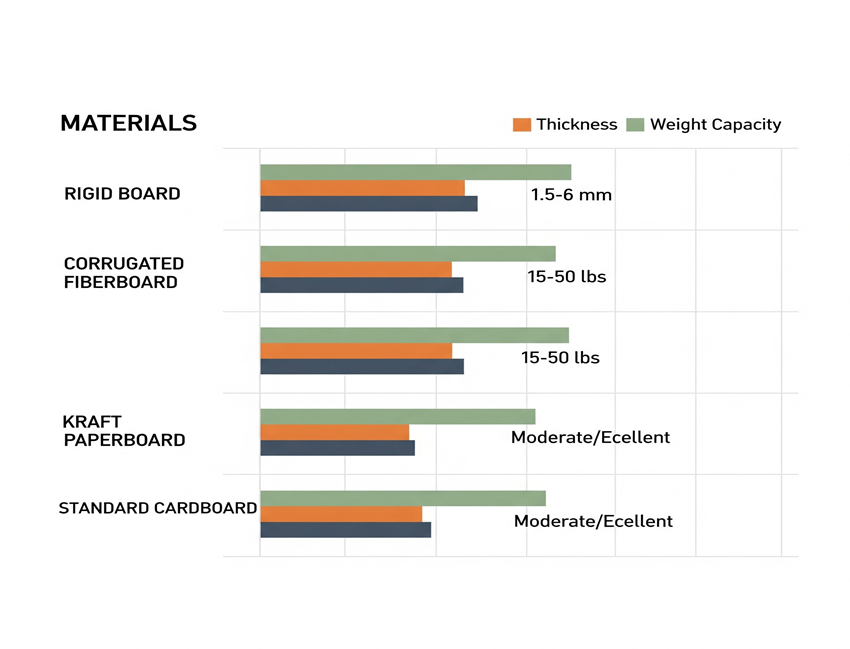
Complete Material Comparison
| Material | Thickness options | Weight capacity | Recyclability | Custom print quality | GSM |
|---|---|---|---|---|---|
| Rigid Board | 1.5mm – 6mm | 15-50 lbs | Moderate (special processing required) | Excellent (photo-quality possible) | 400-1200 |
| Corrugated Fiberboard | 3mm – 15mm | 10-80 lbs | Excellent (standard recycling) | Good (some limitations on fine detail) | 125-440 |
| Kraft Paperboard | 0.3mm – 2mm | 5-25 lbs | Excellent (standard recycling) | Good (natural texture shows through) | 150-400 |
| Standard Cardboard | 0.5mm – 2mm | 2-15 lbs | Good (standard recycling) | Fair (limited detail capability) | 200-350 |
Find Your Perfect Material
Making the wrong choice costs you money and customers. Use this decision framework to identify your best option in under 60 seconds.
Start Here: What’s Your Primary Goal?
Premium Brand Experience Your customers expect luxury packaging that matches your product quality. You need materials that feel substantial and accept high-quality printing. → Choose Rigid Board
Maximum Protection During Shipping Your products travel far, get handled roughly, or weigh more than 10 pounds. Damaged goods create unhappy customers and expensive returns. → Choose Corrugated Fiberboard
Eco-Friendly Brand Image Your customers care about sustainability. They notice packaging materials and prefer brands that align with their environmental values. → Choose Kraft Paperboard
Budget-Conscious Operations You need functional packaging at the lowest possible cost. Every penny saved on packaging goes straight to your bottom line. → Choose Standard Cardboard
Quick Compatibility Check
Before you finalize your choice, verify these critical factors:
Weight Requirements:
- Under 15 lbs: Any material works
- 15-25 lbs: Avoid standard cardboard
- 25-50 lbs: Use rigid board or heavy-duty corrugated
- Over 50 lbs: Corrugated fiberboard only
Printing Needs:
- Basic text and logos: Any material works
- Detailed graphics: Avoid standard cardboard
- Photo-quality images: Rigid board performs best
- Natural/rustic look: Kraft paperboard adds character
Ready to Make Your Decision?
Your packaging choice affects production costs, shipping expenses, customer satisfaction, and brand perception. You can’t afford to guess and hope for the best.
Take the next step toward perfect packaging:
Request Free Samples – Touch and test different materials before you commit to large orders
Our packaging experts analyze your specific needs and recommend solutions that work. Thousands of businesses have already discovered their perfect packaging solution through our personalized consultation process. You can join them today.
The right material choice will transform how customers perceive your products and how much you spend on packaging. Don’t wait another day to get this critical decision right.