



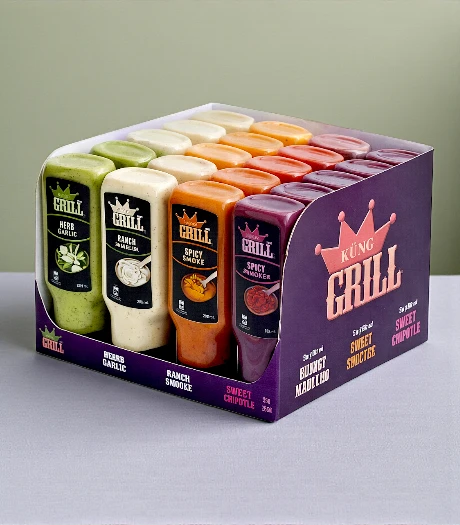
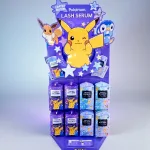
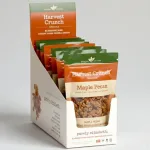
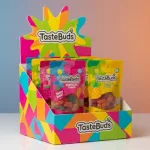
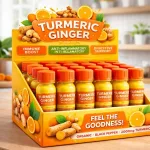
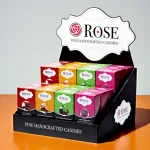
Shelf Ready Packaging
Get A Quick Quote
Response within 24 hrsOptions For Custom Shelf Ready Packaging
Explore our full range of materials, finishes, coatings and add-ons.
Matte Black Wrap
Smooth, non-reflective finish for luxury brands.
Gloss Black Wrap
High-shine reflective surface for retail shelves.
Gold Foil Stamp
Premium metallic hot stamping for logos.
Silver Foil Stamp
Sleek silver metallic for a modern look.
Soft Touch Laminate
Velvety tactile surface for premium unboxing.
Emboss / Deboss
Raised or recessed 3D logo effects.
How It Works — Simple 4 Steps
From consultation to delivery, clear and efficient.
Consultation
Tell us your requirements. Our expert reviews your needs and suggests the best options.
Design Prep
Our designers create your dielines and artwork. You review and approve — free of charge.
Production
Your boxes are manufactured with precision. Quality checked before packing.
Delivery
Free shipping across the USA. Track your order in real-time. 7-day delivery guaranteed.
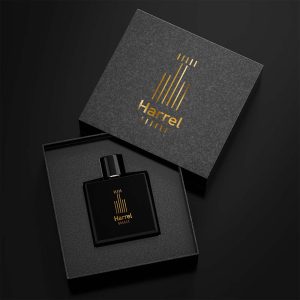
Custom Perfume Boxes
Our perfume boxes are the perfect solution for your fragile perfume bottles....
View Product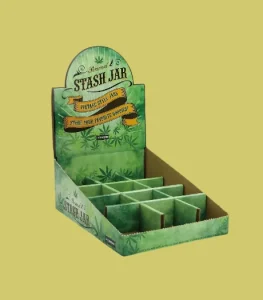
Display Lid Boxes
Our custom display lid boxes are made from strong corrugated, kraft, or...
View Product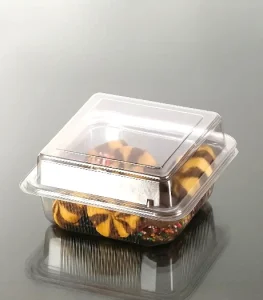
Custom Clamshell Packaging
Enhance your brand’s presence with crystal-clear custom clamshell packaging. Made from durable...
View Product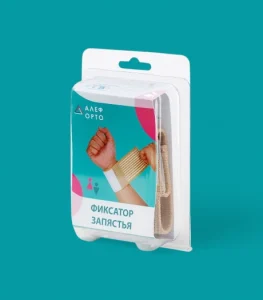
Child-Resistant Blister Packaging
We at iPackU make Child-Resistant Blister Packaging using sturdy PVC, PET, and...
View Product