


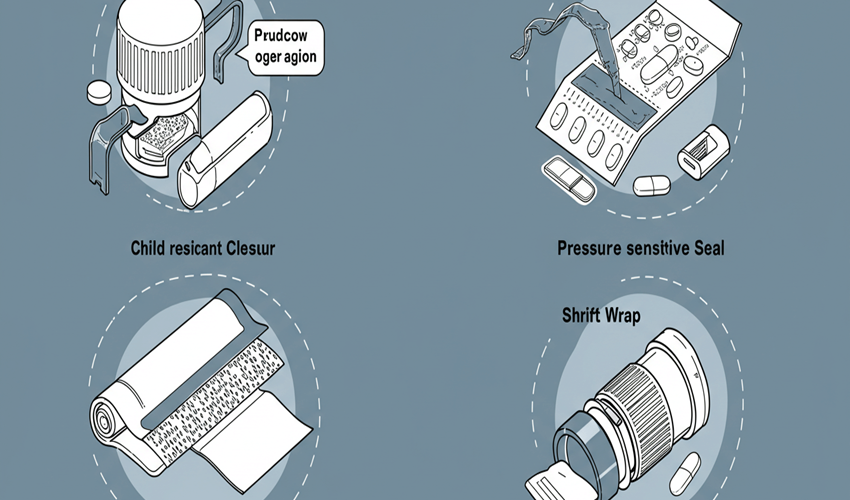
Yes. Medicine packaging uses built-in tamper-evident technologies—like blister packs, induction seals, shrink wrap, and child-resistant closures—to protect patients. These formats show visible signs of tampering, reduce contamination risks, and align with pharmaceutical safety laws. Without these protections, fake or altered medications could cause serious harm or death.
4 Packaging Types That Prevent Tampering With Medicine
Counterfeit pills. Broken seals. Switched labels. These aren’t rare problems—they’re growing threats. Pharmaceutical tampering can destroy lives. Every small breach in packaging increases the risk of poisoning, overdose, or misdiagnosis.
That’s why packaging laws keep tightening. Drug manufacturers must now show that their packaging resists tampering and alerts consumers when interference happens. Below are four packaging types designed to make that happen.
1. Blister Packs
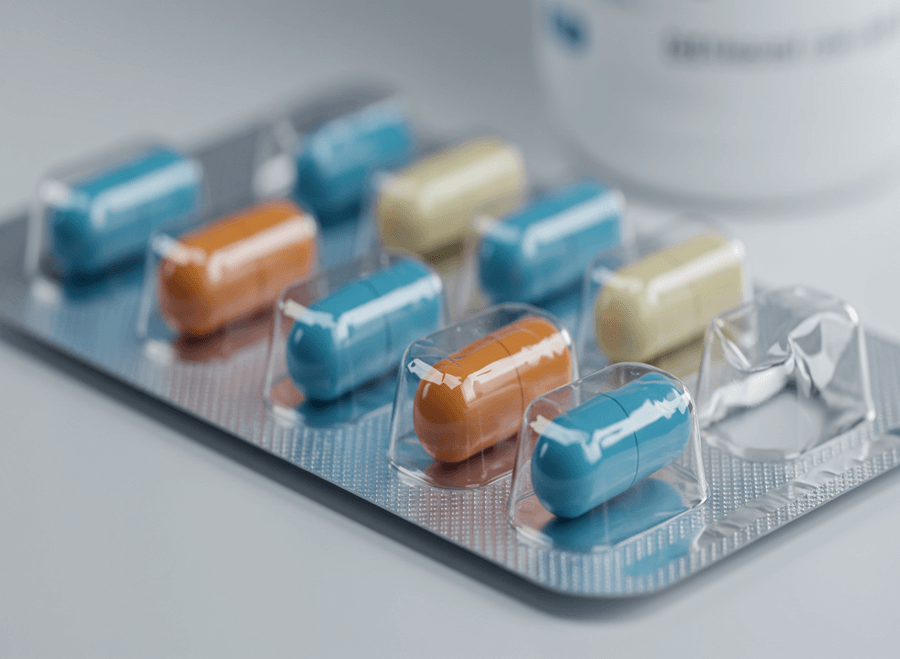
Blister packaging seals each pill in its own cavity—isolated, protected, and clearly visible.
Key Security Features:
- Each dose is sealed individually
- Clear plastic shows visible tampering
- Unit-dose format reduces handling
- Pill tracking supports medication compliance
- Damage to one unit doesn’t affect others
Where it’s Used:
Mail-order drugs, retail OTC medicines, high-risk prescriptions.
Why It Works:
If someone tampers with a blister, it’s obvious. No second guessing. Patients see the damage right away.
2. Sealed Bottles With Induction Seals
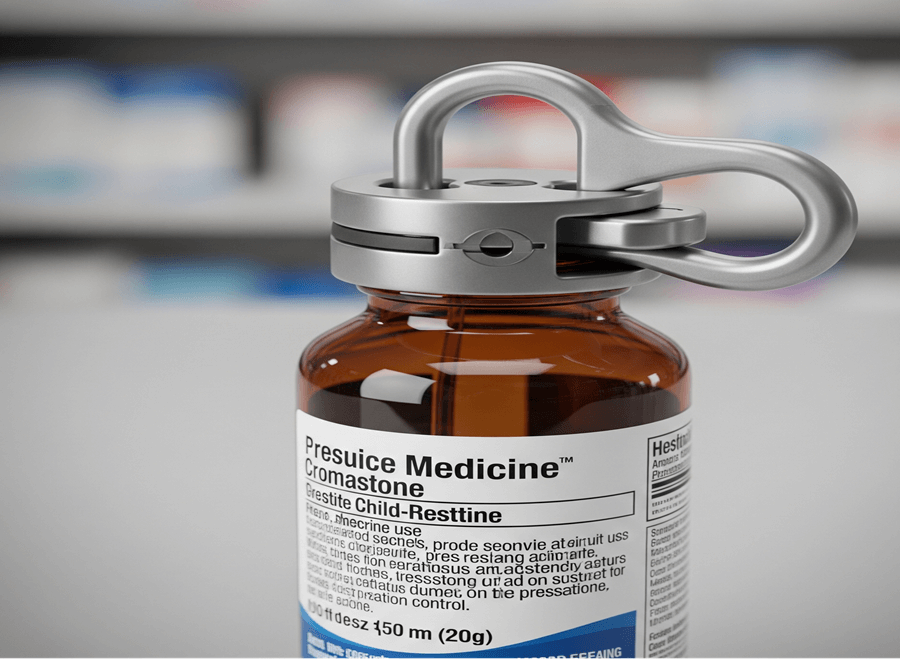
Twisting open a bottle should always break a protective seal. That foil under the cap? It’s heat-sealed for security.
Key Security Features:
- Heat-sealed foil barrier blocks air, moisture, and tampering
- Breaks visibly when opened
- Can pair with push-and-turn caps
- Helps meet FDA compliance
- Useful for liquids, powders, and tablets
Why It Works:
Induction seals show instant proof of interference. If the seal’s broken, don’t take the medicine. It’s that simple.
3. Shrink Wrap With Tamper-Evident Labels
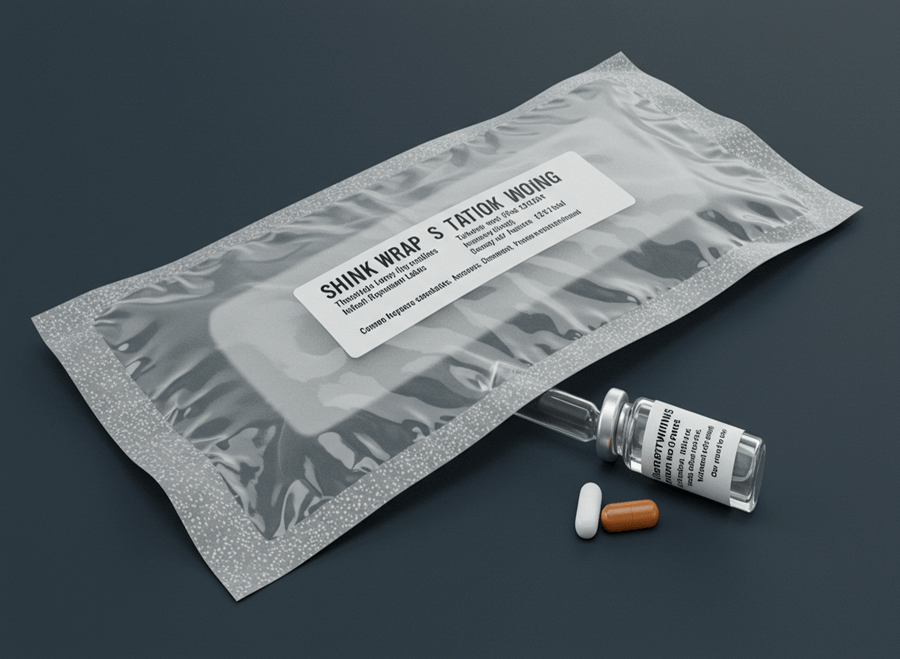
Shrink bands and warning labels help prevent unnoticed breaches during shipping, storing, or shelf display.
Key Security Features:
- Wraps tightly around bottle necks or full-body containers
- Breaks if twisted, cut, or peeled
- Often used with custom printed warnings
- Affordable for mass production
- Works for bottles, vials, and kits
Why It Works:
Tamper-evident shrink wraps show immediate visual damage. They combine packaging integrity with branding and compliance.
4. Child-Resistant Packaging (CRP)
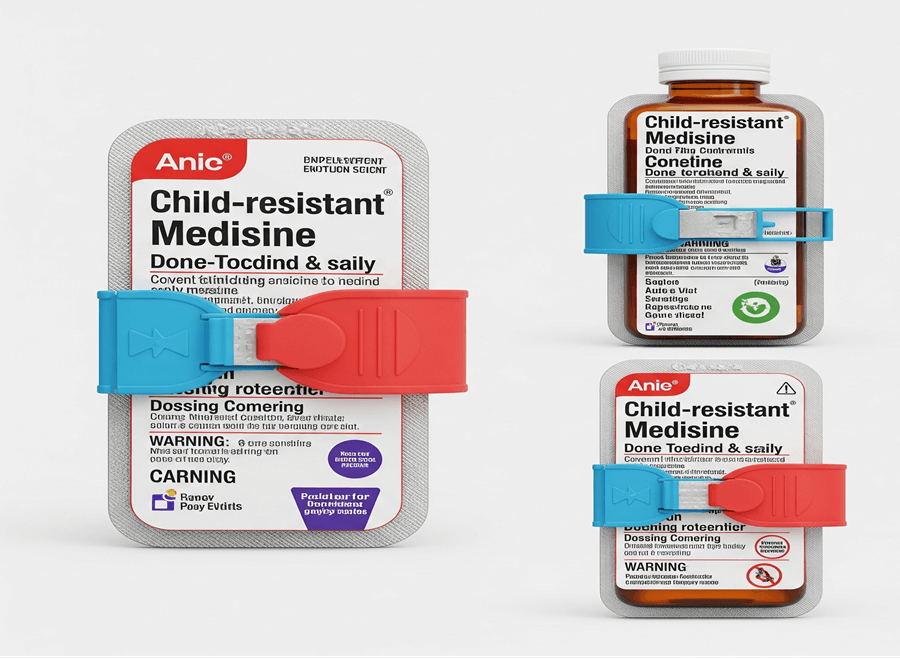
Not every tamper threat is criminal. Sometimes, the danger comes from inside the home.
Key Security Features:
- Push-down-and-turn or squeeze-and-pull caps
- Meets U.S. and international safety standards
- Reduces accidental poisonings among children
- Sometimes paired with blister packs
- Mandatory for controlled substances and high-risk meds
Why It Works:
CRP packaging protects against curious hands while alerting adults to tampering or damage.
Extra Security Features in Tamper-Resistant Packaging
Beyond basic formats, many pharmaceutical companies now include:
- Serialized caps for batch tracking
- Color-change indicators for heat, pressure, or air exposure
- Dosage calendars for adherence support
- Special adhesives that break when tampered
- Ink and holograms for anti-counterfeit labeling
- Packaging that pairs with automation machines to reduce human error
These added protections build trust at every stage—manufacturing, shipping, pharmacy, and home use.
Who Enforces Tamper-Proof Standards?
Multiple agencies and laws require tamper-evident packaging in pharma:
- FDA (U.S.) – Drug product packaging must show visible tampering
- WHO – Global standards on counterfeit drug prevention
- MHRA (UK) and EMA (Europe) – Mandate serialization and protection
- USP <659> – Guidelines for packaging systems
- DSCSA – U.S. traceability law for pharmaceuticals
Public health depends on trust in the medicine supply chain. And packaging is the frontline.
How Buyers Choose Tamper-Evident Pharma Packaging
When pharmacies or manufacturers source packaging, they look for:
- Custom pharma boxes that match dosage type
- Tamper-indicating seals that show interference
- Printed medication boxes with batch-level tracking
- Luxury packaging for brand-sensitive products
- Shrink wrap and seal machinery to automate packaging security
- GMP-certified packaging partners for full compliance
Top suppliers now offer eco-friendly tamper-proof options as well—blending safety and sustainability.
Final Thoughts
Tamper-proof medicine packaging saves lives. It prevents contamination, fake drugs, and child misuse. From foil-sealed bottles to push-and-turn caps, every layer matters. Patients should trust what they take. Packaging is the first signal that it’s safe.
FAQ
Why is tamper-evident packaging important in medicine?
It prevents contamination, fraud, and unauthorized access. It also helps patients detect product interference before use.
How do induction seals prevent tampering?
They create a foil barrier under the cap that tears when opened. This shows clear evidence of tampering.
What’s the difference between tamper-evident and child-resistant packaging?
Tamper-evident shows if someone’s opened the product. Child-resistant stops young children from accessing it.
Is shrink wrap alone enough for pharma security?
No. It’s best used with seals, caps, and warning labels to provide layered protection.
Who regulates medicine packaging safety?
Agencies like the FDA, WHO, EMA, and USP set global and national standards for drug packaging compliance.